
Foster inquiry
News

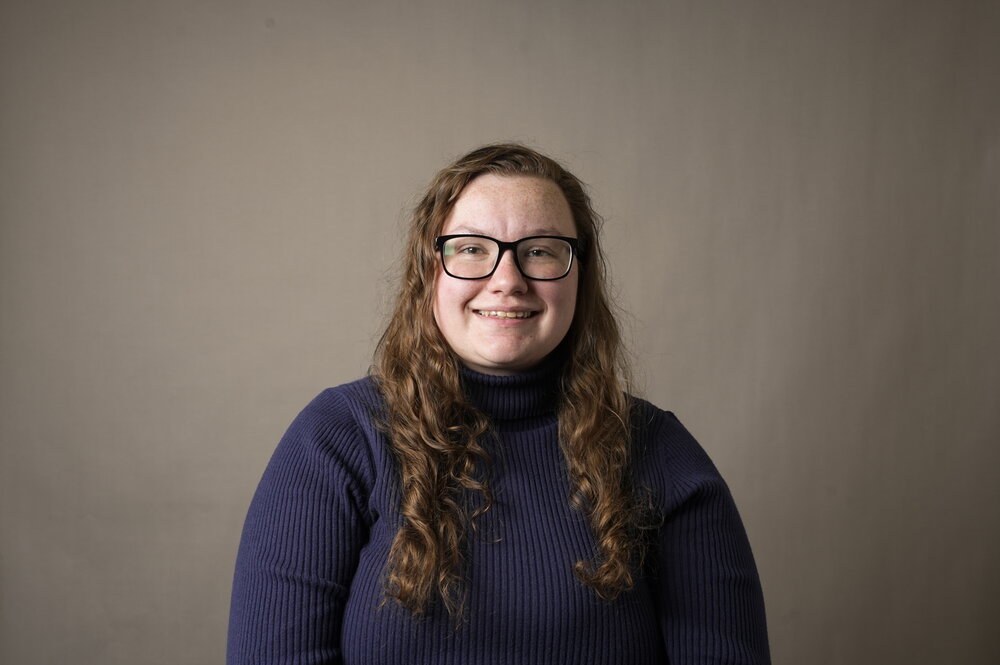
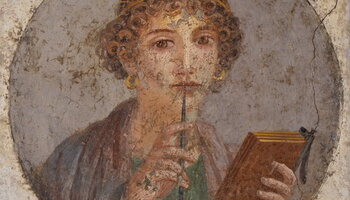
How to Read and Write like Cleopatra
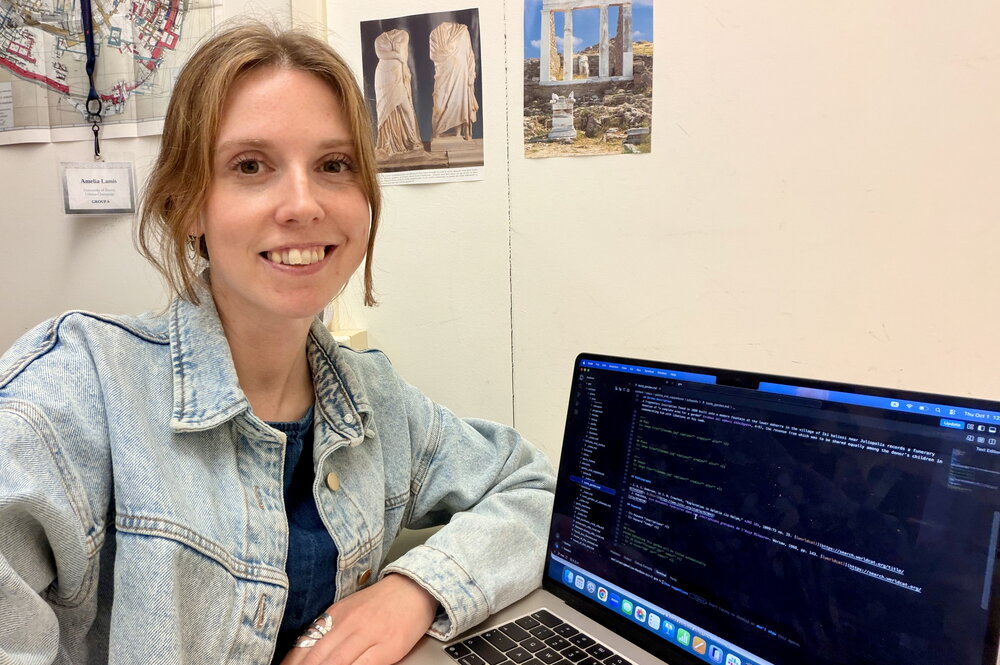
This class introduces the technology of reading and writing available in the lifetime of Cleopatra. Students will learn to make and use several of the writing media that were dominant before the printing press (wax tablets, clay tablets, papyrus paper, ink), and they will see how people approached learning to read and write when skills like memory and improvisation were integral to the process. The main focus will be Egypt in the 1st century BCE, but related places and times will be discussed.
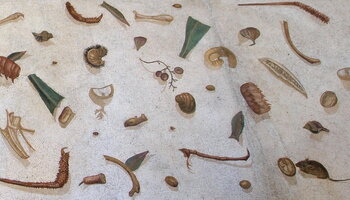
Fish Sauce, Sparrows, and Pancakes: Food in the Roman World
Today, the ancient Romans are notorious for lavish dining, however, in their own time many regarded plain bean and grain porridge as the Roman national dish. This class will take the culinary world of ancient Rome as a way of understanding a range of topics in the lives of ancient Romans, including agriculture, food supply, religion, social interaction, class, and taste. Together we will engage with original Roman writings about food, modern scholarship, and bring many surviving Roman recipes to life to taste ourselves and share with the campus community.
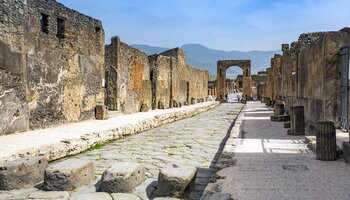
Pompeii: Life in a Roman City
Pompeii, a city in the Bay of Naples famously destroyed but uniquely preserved by the eruption of Mt. Vesuvius in 79 CE, has traditionally been viewed as the quintessential example of the ancient Roman urban experience. But just how ‘Roman’ was Pompeii? This class examines how evidence from Pompeii contributes to our knowledge of Roman material culture and the everyday use of urban space; and questions whether our broader conception of Roman life is limited by our reliance on evidence from this one city.

Build core vocabulary in Latin 101 and 102!
Learn ancient stories in their original language. Understand the basics of Latin grammar. Start reading original ancient texts on your own.
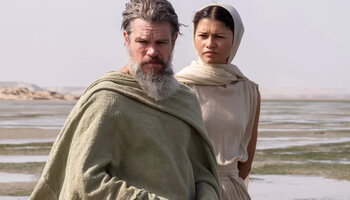
Odysseus & Other Heroes
Study of the heroes of ancient epics in relation to the cultures in which they were produced, taking Homer’s Odyssey as the point of departure and including near eastern heroes such as Gilgamesh, as well as female heroes such as Helen and Penelope; focuses on the epic and tragic tradition of ancient heroes and their successors.
Calendar

Undergraduate Classics Club
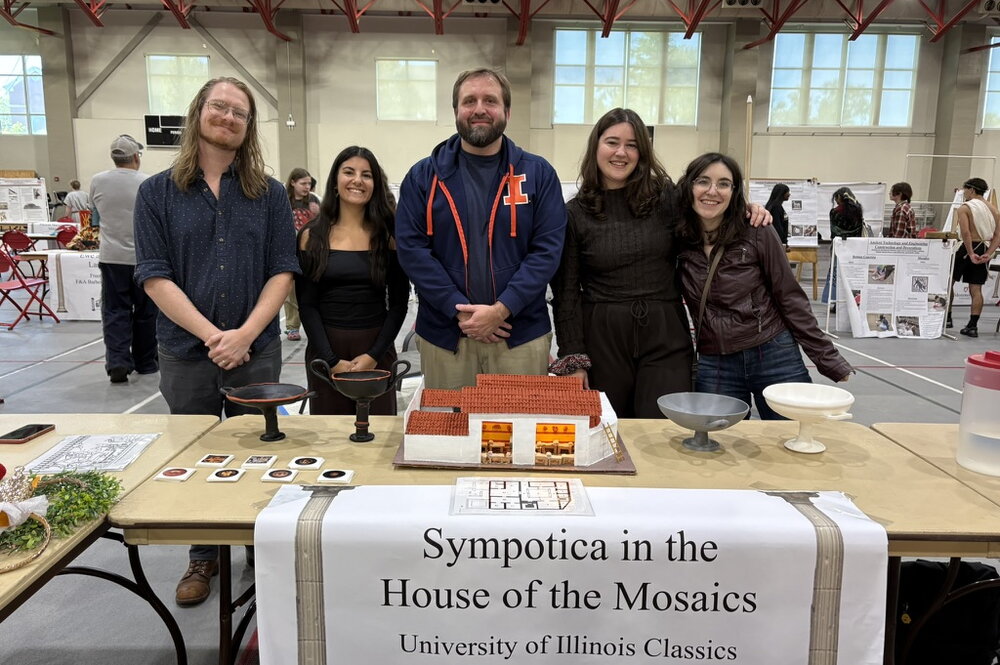
The Classics Club is the official registered student organization for anyone and everyone on campus interested in classical studies. Students from all majors can join. Classics Club regularly hosts meetings featuring varied discussions of literature, philosophy, drama, and poetry, as well as movie viewings, trivia nights, and guest presentations by fellow students and faculty of the university.